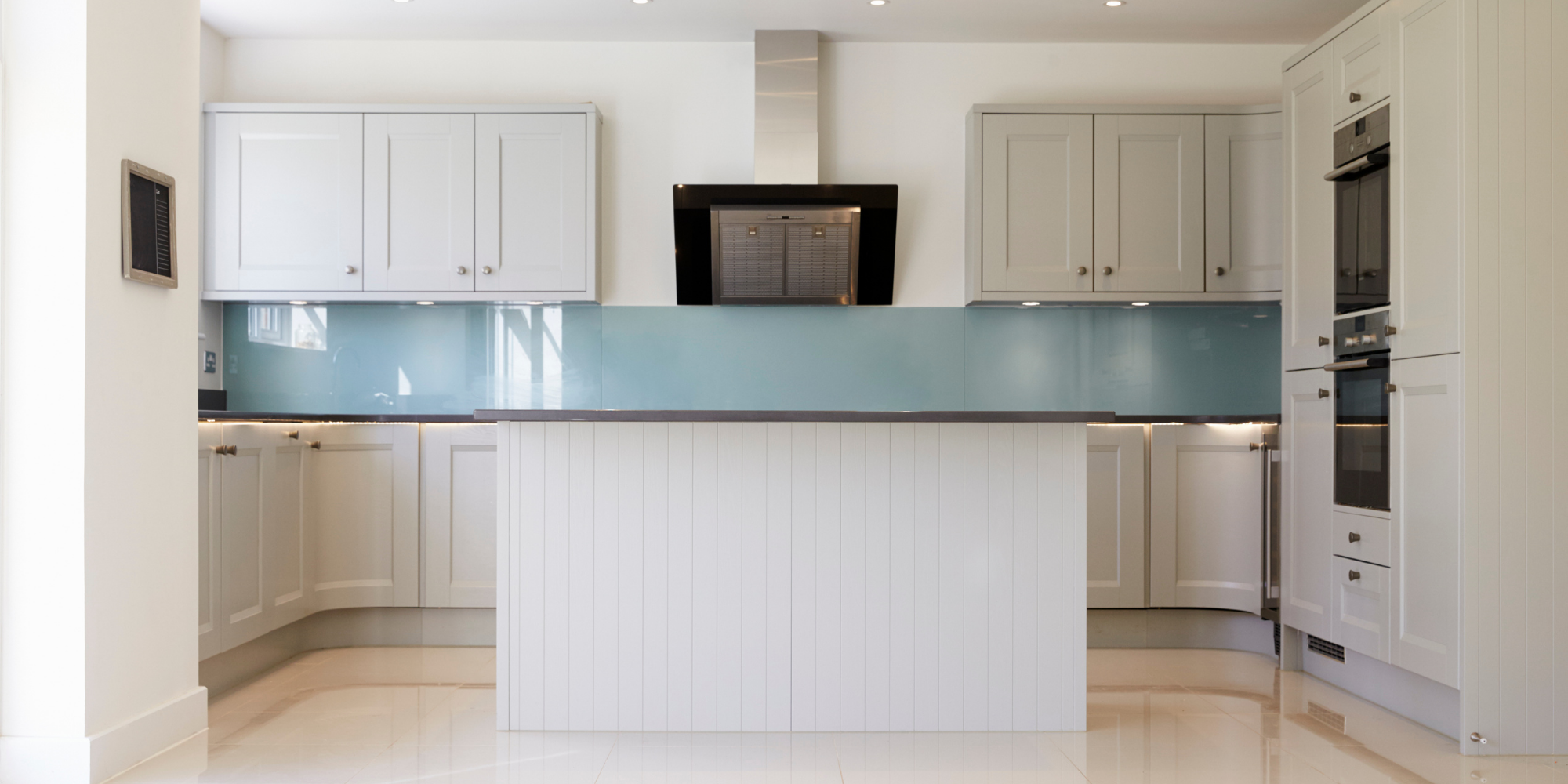
An empty property hits landlords with a double whammy: you have no money coming in yet still have bills to pay. Meanwhile, your empty property can easily fall into disrepair and may even invalidate your buildings insurance.
Sell or Rent?
While selling up is undoubtedly an option, renting is likely a better way to get your cash flow moving in the right direction. You will have tenants looking after the property as their home and you won’t be liable to pay council tax.
Your decision on whether to sell or rent will depend on your circumstances. If you need the cash, then you might have to sell – but even then, there may be an option to refinance the property to release capital and still rent it out.
To work out what’s best for you, you must research rent and sales prices, and the costs associated with each. But in the meantime, your property is costing you money, and everyone would love to know how to avoid paying council tax on an empty property.
The Costs of a Vacant Property
An empty property is not just a missed income opportunity; it costs you money every month. Empty properties usually need a special building insurance policy. Be careful to check your existing policy, because many become invalid if a property is empty for more than 30 consecutive days. These vacant building policies are less-widely offered and more expensive.
How to avoid council tax on an empty property
You can avoid being liable for council tax by letting your vacant property to tenants. While no one is living there, the owner bears the tax burden.
The council tax bill is usually the most significant monthly cost of having an empty property. This especially true for properties in high bands or areas with high council tax. You must pay council tax for every month that it remains empty.
If for some reason the property stays empty for two years or more, then you will pay double under the council tax surcharge regulations, designed to prevent a glut of vacant properties in the UK (estimated at 600,000 in 2015). Some councils charge up to 300% of the usual council tax rate for empty properties. This could easily be over £4,000 per year.
Maintenance
Additional costs will include maintenance, keeping the gardens tidy, security and utility bills, plus any expenditure you may have visiting to check up on the property from time to time. Be aware that if you must take out vacant property insurance, most policies require the property to be checked every week.
Decision time
An immeasurable cost is what it takes out of you emotionally, with the worry associated with being responsible for an empty property. All things considered, it makes sense to act fast and either rent or sell. The following guide will help you to reach a decision.
Check the Local Sale and Rental Markets
If you are yet to decide on whether to sell or rent, do some thorough research of the local market. The size and position of the property may lend itself more to renting than selling. Get the property valued, or at least see how much similar properties go for, and try to establish how long they are taking to sell. You can use this information to calculate the yield you would get from letting the property versus investing in another asset.
You might discover the price is not as high as you thought, and it’s not a great selling market. Yet the property could be in a prime renting area where it’s easy to find tenants ready to move in fast. Properties close to town centres, near good schools and colleges, and transport hubs such as train stations are particularly sought after.
If this exercise guides you towards renting, then you can easily find out how much rental income you could make by using theOpenRent rent calculator. If the potential rent appeals, it’s time to investigate the costs of renting out.
The Costs of Renting Out Your Vacant Property
Renting out an empty property is far cheaper than selling it — presuming you don’t have to spend thousands doing it up. There will possibly be some initial outlay, such as redecoration and new carpets, but so long as the property is structurally sound and is secure, you should be good to go. Remember, too, to get Gas Safety and electrical safety certificates, plus smoke and carbon monoxide alarms. You will need an EPCwhether buying or selling.
Finding suitable tenants doesn’t have to be complicated or expensive, either. Using online experts like OpenRent will keep your costs down, plus thetenant finder and tenancy creation service, which includes all relevant reference checks, can be invaluable.
Make sure you understand what yourincome tax responsibilities will be for your rental income, together with ongoing costs like gas and electricity certificates, repairs andlandlords insurance.
There are significant upsides to renting, even with these ongoing costs and income tax responsibilities:
- If you have a repayment mortgage on the property, the tenant is effectively paying it off, increasing your capital over time.
- If you are mortgage-free, you will hope to experience capital growth through house price increases (generally always the case over the long term).
- You have immediate income — often over £1,000 per month.
- The property does not remain empty, saving you from losing money while you wait to sell it.
The best part is that your position remains flexible. While selling is final, renting allows you to wait and sell whenever the time is right.
How much could your property let for? OpenRent knows.
View market rentsSelling Your Empty Property
You might decide selling is the right option for you. If you are selling because you want the money, first make sure that refinancing the property isn’t a better way to get the cash you need. Meanwhile, you can keep hold of the property and rent it out. Let’s look at a refinancing example.
A refinancing example
Say the property is worth £200,000 and there is an outstanding £50,000 mortgage on it. You need some cash and think about selling. But if you remortgage with a buy-to-let mortgage, perhaps up to £150,000 total (75% of the value), then you can take the £100,000 of the additional mortgage advance as capital.
In this example, you get £100,000, and you keep the property. You will make a little profit on the rent, plus you can make capital gains over time as you pay down the buy-to-let mortgage and the house prices rise (hopefully).
Getting a buy-to-let mortgage will depend on the expected rent you will receive, and whether it is enough to cover the mortgage payments.
But if you still need to sell — and after all, some people just want shot of a property — then make sure you understand the costs involved.
The highest cost is estate agency fees, which can vary from between .75% and 3%. On a £200,000 property, the fees for those two price points are £1,500 and £6,000. You will need to pay legal fees, too, for conveyancing and that will amount to around £800-£1,000.
It might take six months from the moment you decide to sell to handing over the keys to a new owner. Meanwhile, the house remains empty with no income coming in.
Renting Might Be the Better Choice
Taking a look through the costs, pros and cons, it would seem that renting is almost always a better long-term option for your vacant property. But if you do need to sell because you need the capital, then, of course, you should go ahead, so long as you know the fees that will be taken off the sale proceeds.